Bee Embroidery Design: A Designer’s Review
As a designer who spends half my life staring at digitized files and the other half watching needles pierce fabric, I have learned to be skeptical of cute motifs. Cuteness is easy; structural integrity in a machine embroidery design is hard. When I first loaded the Bee Embroidery Design into my software, I wasn’t looking for charm. I was looking for clean paths, logical stitch direction, and a layout that wouldn’t pucker my favorite linen. What I found was a versatile asset that bridges the gap between whimsical decor and professional-grade commercial embroidery.
First Impressions and Visual Personality
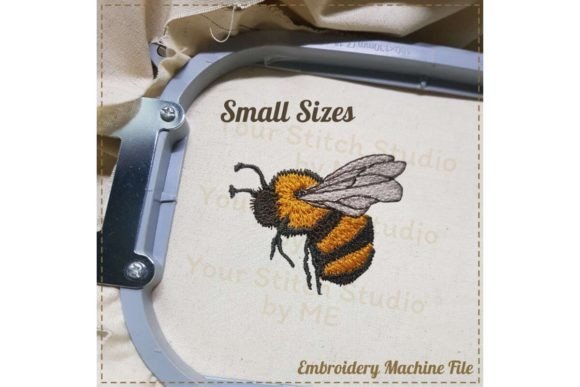
The immediate mood this design creates is one of approachable warmth. It isn’t overly complex, which is often a blessing in disguise for small-scale projects. The shape relies on a balanced composition that reads well from a distance, a crucial factor if you are stitching it onto a tote bag design or a large pillow cover. The visual personality is friendly but not childish, making it suitable for a wide demographic.
In terms of detail level, it strikes a smart middle ground. It avoids the microscopic details that turn into thread nests on home machines, yet it retains enough character to feel intentional. For those of us selling on Etsy or at craft fairs, this balance is vital. Customers want to see quality, but they also want a design that feels handcrafted rather than mass-produced. This embroidery file delivers that handmade aesthetic without the headache of excessive trim points.
Real-World Application: The Tote Bag Test
To truly evaluate a design, you have to imagine it in a real-life scenario. I recently considered using this bee motif for a custom order of canvas tote bags for a local farmers' market vendor. The client wanted something that said "organic" and "friendly" without being cliché.
I visualized the Bee Embroidery Design centered on a natural cotton canvas. Because the design likely utilizes a mix of satin stitch for outlines and fill stitch for body areas, it would hold up well against the coarse texture of canvas. The key here is contrast. On a natural beige fabric, I would recommend using deep amber and black threads to ensure the bee pops. If the stitch density is too low, the canvas weave might show through; if it’s too high, the bag becomes stiff. Based on the visual weight of this design, it appears optimized for medium-weight fabrics, making it an excellent choice for handmade product lines that prioritize durability.
Versatility Across Product Categories
Beyond totes, this design shines in several other categories. For sweatshirt embroidery, the soft curves of the bee complement the drape of fleece or French terry. It works beautifully as a left-chest logo for boutique branding or as a larger back print for a statement piece.
For baby embroidery, such as onesies or burp cloths, the charm factor is undeniable. However, caution is required. Babies are messy, and their clothes undergo frequent washing. You must ensure the design is properly stabilized and that any long satin stitches are secured to prevent snagging. Similarly, for holiday embroidery gifts, this bee can be adapted with seasonal colors—think gold and red for winter holidays or pastel yellows for spring Easter baskets.
If you are creating embroidered patch designs, this motif is ideal. Patches require bold outlines and clear separation between colors, which this design seems to offer. It translates well to the rigid structure of a twill backing, allowing for clean cutting and professional finishing.
Technical Considerations and Fabric Constraints
While the design is robust, it is not invincible. There are specific situations where you need to proceed with care.
- Small Hoop Sizes: If you are shrinking this design to fit a 4x4 hoop, check the smallest details. Tiny elements can become indistinguishable blobs if scaled down too aggressively.
- Stretchy Fabrics: Stitching on jersey or spandex requires a cut-away stabilizer and careful tension adjustment. The fill areas in the bee’s body could cause puckering if the fabric pulls during stitching.
- Dark Fabrics: If you are stitching on black or navy, ensure your thread colors have enough brightness. A muted yellow on dark denim might look muddy. Always test your thread colors against the background.
- Curved Surfaces: Caps and hats present a challenge. The curved surface of a cap front can distort circular or rounded designs. You may need to adjust the pull compensation or use a stiffer stabilizer to maintain the bee’s shape.
Enhancing Brand Value and Customer Trust
For Etsy sellers and small shop product creators, consistency is key. Using a well-digitized design like this builds trust. When a customer receives a personalized gift that looks crisp and professional, they are more likely to leave a positive review and return. Sloppy stitching or poorly planned paths undermine brand consistency. This design, when executed correctly, elevates the perceived value of the finished product.
Moreover, for those creating digital embroidery file bundles, including a versatile motif like this adds significant value to your design assets. It appeals to hobbyists who want quick, reliable projects and professionals who need a dependable element for composite designs.
Practical Notes for the Serious Maker
Before you commit to a full production run, follow these practical steps:
- Test on Scrap Fabric: Never stitch directly on your final garment. Use a similar fabric weight and texture to check for puckering or thread breaks.
- Check Stitch Density: Look at the color block view in your software. Are there areas that are too dense? Too sparse? Adjust if necessary.
- Confirm Hoop Size: Ensure the design fits comfortably within your hoop with adequate margin for the frame.
- Use Proper Stabilizer: Match the stabilizer to the fabric. Tear-away for stable wovens, cut-away for knits, and water-soluble for delicate or textured materials.
- Review Licensing: If you plan to sell items made with this Bee Embroidery Design, confirm the license terms. Some designers allow commercial use of finished physical items but restrict the resale of the digital file itself.
In the world of Bugs and nature-inspired Embroidery, simplicity often wins. This design offers a clean, charming, and technically sound option for a variety of projects. Whether you are decorating home decor, creating custom apparel, or building a catalog of printable mockup previews for your online store, this bee holds its own. It is a reminder that good design doesn’t need to shout; it just needs to stitch well.