Dancing Skeleton Embroidery Design Review
As an embroidery designer who has spent years curating collections for small business owners and Etsy sellers, I know that finding the perfect machine embroidery design is about more than just aesthetics. It is about understanding how a digital file translates into a tangible, high-quality finished product. Recently, I had the opportunity to test the Dancing Skeleton Embroidery design before adding it to our personalized gift shop inventory. My goal was to see if this spooky motif could hold up under the scrutiny of a custom order and appeal to a wide range of customers looking for unique handmade products.
First Impressions: A Playful Halloween Spirit
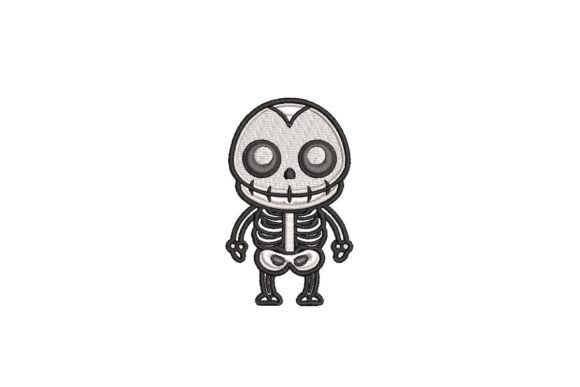
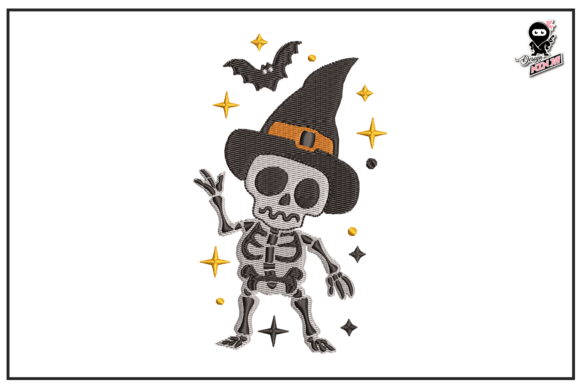
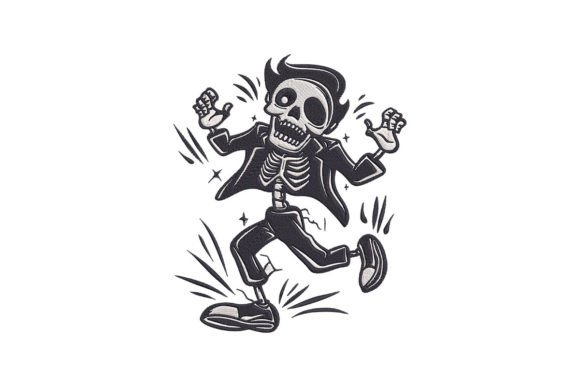
When I first opened the Dancing Skeleton Embroidery file on my digitizing software, the mood was immediately clear. This is not a scary or ghoulish skeleton; rather, it exudes a playful, whimsical charm that fits perfectly within the modern aesthetic of seasonal decor. The lines are fluid, suggesting movement and joy, which makes it an excellent candidate for creating items that feel sweet yet seasonally appropriate. For crafters and small shop owners, the emotional appeal here is significant. It bridges the gap between a classic Halloween symbol and a modern, approachable design that families can embrace without fear.
The detail level in the design strikes a balance that is rare in many commercial files. It offers enough intricacy to look professional and high-end but avoids the microscopic details that often get lost during stitching on textured fabrics. Whether you are planning a wedding gift with a macabre twist or a fun nursery item for a child who loves all things spooky, this design feels versatile. It possesses a handmade quality that elevates any standard piece of fabric into a statement piece.
Real-World Applications for Personalized Gifts
One of the most exciting aspects of testing the Dancing Skeleton Embroidery was imagining its potential across various product categories. In the world of custom embroidery, versatility is key to maximizing sales. Here is how I envision this design performing in real-world scenarios:
- Apparel and Tote Bags: The dynamic pose of the skeleton works beautifully on tote bags and apparel. For the Etsy seller looking to stock up on fall inventory, placing this design on a canvas tote bag creates an instant bestseller. The movement of the skeleton complements the natural drape of fabric, making the character appear as if it is dancing along with the wearer.
- Home Decor and Pillow Covers: Home decor is a massive market for machine embroidery designs. Using this file on a linen pillow cover adds a touch of personality to a living room or entryway. It serves as a conversation starter and allows customers to express their love for the holiday without being overly kitschy.
- Kitchen Towels and Aprons: An embroidered towel featuring a dancing skeleton is a fantastic idea for a hostess gift or a kitchen upgrade. The design stands out well against the typical white or neutral tones of kitchen linens, offering a pop of character that feels both functional and decorative.
- Blankets and Nursery Items: While one might hesitate to put skeletons near babies, the playful nature of this specific design makes it suitable for older children's rooms or even a themed baby blanket for parents who enjoy gothic or alternative styles. It transforms a simple blanket embroidery project into a cherished family keepsake.
For those selling digital embroidery files, this design also serves as a great addition to your portfolio. It appeals to hobbyists who want to create personalized gifts for friends and family, offering a fresh take on traditional seasonal motifs.
Navigating Fabric and Technical Challenges
While the Dancing Skeleton Embroidery is robust, every experienced designer knows that success depends on proper execution. There are specific areas where caution is required to ensure the final product meets professional standards. When working with thick towels or highly textured fabrics, the density of the stitches needs to be carefully managed. If the stitch density is too high on a looped towel, the backing may show through, ruining the clean look of the dance pose.
Similarly, when applying this design to stretchy baby clothes or curved surfaces like hats, the hoop size becomes critical. You must ensure the fabric is taut enough to prevent shifting, which could distort the skeleton's limbs. Dark fabrics present another challenge; while the design looks striking on black or deep purple, you will need to consider using a water-soluble stabilizer or a cutaway backing to ensure the thread pops and the background does not bleed through lighter thread colors.
Small lettering or delicate details within the design should be scrutinized after stitching. Sometimes, what looks crisp on a screen can become muddy on fabric if the needle size is incorrect or if the tension is off. Always check small details after stitching a test run to ensure the character's expression remains clear and engaging.
Enhancing Giftability and Perceived Value
In the competitive market of handmade goods, perceived value is everything. The Dancing Skeleton Embroidery significantly boosts the perceived value of a simple item. A plain tote bag sells for five dollars; the same bag with a professionally stitched, unique design can command twenty dollars or more. This increase in price point builds customer trust because buyers associate detailed, custom work with higher quality.
The emotional connection created by such a specific design cannot be overstated. Customers searching for a wedding gift for a couple who loves Halloween, or a birthday present for a friend with a quirky sense of humor, will find immediate resonance with this product. It tells a story and shows effort. For the small shop product creator, this means better engagement in product photography. A photo of a dancing skeleton on a cozy blanket or a stylish apron invites the viewer to imagine owning it, driving higher conversion rates.
Practical Notes for Professional Execution
To ensure your commercial embroidery projects succeed, follow these practical steps when using this design:
- Test on Scrap Fabric: Never skip the test stitch. Run the design on a scrap piece of the actual fabric you intend to use to check for puckering or thread breaks.
- Check Thread Color Contrast: Ensure your chosen thread colors provide enough contrast against the fabric. High contrast ensures the details of the dancing skeleton remain visible.
- Confirm Hoop Size: Verify that your hoop accommodates the full design without cutting off the edges of the skeleton's limbs.
- Use Proper Stabilizer: Select a stabilizer appropriate for your fabric weight. Heavy fabrics need heavy support to maintain the integrity of the design.
- Review Stitch Density: Adjust your machine settings if necessary to avoid excessive thread buildup, especially on thick materials.
- Compare Light and Dark Mockups: Before committing to a bulk order, visualize how the design looks on both light and dark backgrounds to offer variety to your customers.
- Verify Licensing: As a responsible seller, always confirm the commercial licensing terms of the embroidery file before selling finished products. Ensure you have the right to sell items made from this design.
By following these guidelines, you can transform the Dancing Skeleton Embroidery into a cornerstone of your seasonal collection. Whether you are a seasoned Etsy seller or a new crafter entering the market, this design offers the perfect blend of charm, technical feasibility, and market appeal. It proves that with the right design and careful execution, even the spookiest themes can bring warmth and joy to your customers' homes.