Review: Basset Hound Dog in Hat Embroidery
As an embroidery designer who has spent years digitizing files for small businesses, I know that the difference between a cute graphic and a viable commercial asset lies in execution. When I first pulled up the Basset Hound Dog in Hat Embroidery file, my initial reaction was one of cautious optimism. The concept is undeniably charming—a basset hound wearing a hat—but charm alone does not sell merchandise. For boutique owners, Etsy sellers, and apparel decorators, the design must hold up under the needle, withstand washing, and reinforce brand identity.
This review evaluates the Basset Hound Dog in Hat Embroidery not just as art, but as a functional tool for your business. Whether you are creating branded patches for a local café, custom aprons for a florist, or tote bags for a pet supply shop, understanding how this design performs on fabric is crucial before you commit to production.
Visual Personality and First Impressions
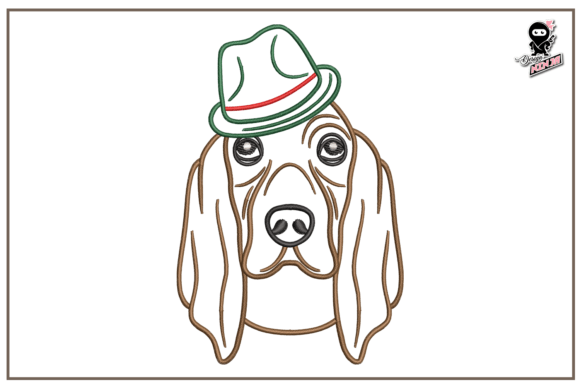
The aesthetic of this design leans heavily into the "friendly" and "handmade" categories. It feels approachable rather than corporate, which makes it an excellent choice for businesses that want to project warmth and community connection. The addition of the hat adds a layer of whimsy that prevents the image from being too generic. For brands in the Dogs niche, this specific character trait helps differentiate your products from the sea of standard paw prints and silhouettes.
However, from a professional standpoint, I look for clean lines and logical stitch placement. A design that looks good on screen can sometimes turn into a tangled mess on fabric if the digitizer did not account for pull compensation or thread tension. The Basset Hound Dog in Hat Embroidery appears to balance detail with simplicity, which is essential for maintaining clarity when scaled down for smaller applications like chest logos or sleeve details.
Real-World Applications for Small Business Merch
The versatility of this design is its strongest selling point for commercial embroidery projects. Here is how I envision it performing across various product lines:
- Embroidered Patches: This is perhaps the most lucrative application. A well-digitized basset hound can serve as a standalone patch for hats or jackets. The distinct outline of the dog and the hat provides a natural border, making it easy to cut and finish as a merrowed-edge patch.
- Staff Uniforms and Aprons: For bakeries, coffee shops, or pet groomers, this design works beautifully as a chest accent on apron embroidery. It adds personality to staff uniforms without being overwhelming. The "hat" element can even be color-matched to your brand’s primary color for visual consistency.
- Tote Bag Design: Canvas tote bags are a staple for handmade product lines. The rustic, friendly vibe of the basset hound complements the texture of canvas well. Ensure you use a heavy cut-away stabilizer to prevent puckering on these heavier fabrics.
- Cap Embroidery: Placing this on the front panel of a baseball cap requires careful attention to scale. The curved surface of a cap can distort wide designs. If the basset hound is too wide, it may wrap around the sides awkwardly. I recommend testing a narrower version or placing it on the side panel for a subtle branded look.
Technical Considerations and Production Notes
Before running this machine embroidery design on your client’s expensive garments, there are several technical factors you must verify. Since the provided description mentions it comes with multiple formats but lacks specific technical data, you must do your due diligence.
Check Stitch Density and Detail: Examine the file at 100% zoom. Are there areas where stitches are too close together? High stitch density can cause fabric perforation or thread breaks, especially on lightweight materials. Conversely, if the density is too low, the underlying fabric might show through, ruining the finished product. Pay special attention to the hat brim and the dog’s ears, as these are likely areas with complex curves.
Fabric Texture and Contrast: Thread colors behave differently depending on the fabric texture. On a smooth polo shirt, the design will look crisp. On a textured towel or rough canvas, fine details may get lost. I always advise running a test stitch-out on the exact fabric type you intend to use. If you are embroidering on dark uniforms, ensure the design has sufficient contrast. You may need to add an underlay or choose lighter thread colors to make the basset hound pop against black or navy backgrounds.
Hoop Size and Scaling: Confirm the recommended hoop size for this digital embroidery file. If you plan to use it as a small label or tag, ensure the design remains legible when scaled down. Tiny lettering or intricate outlines can merge together if the design is shrunk beyond its intended limit. Always create a printable mockup to visualize the final size before hooping the actual garment.
Enhancing Brand Identity and Customer Trust
Using a unique character like the Basset Hound Dog in Hat Embroidery does more than just decorate a product; it builds brand recognition. Customers associate consistent visual assets with professionalism. When they see the same high-quality embroidered dog on your tote bags, aprons, and packaging accents, it reinforces trust in your handmade product line.
For Etsy sellers and craft business assets, this design offers a way to stand out. Generic clipart is everywhere. A well-executed, custom-feeling embroidery file signals to buyers that you care about quality. It transforms a simple item into a thoughtful gift, increasing the perceived value of your merchandise. This emotional connection drives buyer engagement and encourages repeat customers who appreciate the attention to detail.
Final Verdict and Designer Recommendations
The Basset Hound Dog in Hat Embroidery is a strong contender for small business merch, provided it is used strategically. It excels in applications where friendliness and approachability are key brand values. However, success depends on your preparation.
- Test in Black and White: Before adding color, stitch the design out in black thread on white fabric. This reveals any gaps in coverage or issues with stitch direction that color might hide.
- Verify Commercial Licensing: The description notes it is perfect for gifts and personalized items, but always confirm the license terms explicitly allow for commercial use on products you intend to sell. Never assume.
- Use Proper Stabilizer: Match your stabilizer to your fabric. Use tear-away for stable woven fabrics and cut-away for stretchy knits or items that will undergo frequent washing.
- Create Client Mockups: If you are doing work for a client, present them with a realistic mockup showing the design on their specific garment. This manages expectations and reduces the risk of dissatisfaction with the final physical product.
In conclusion, this design fits well within the Embroidery category for those looking to add character to their offerings. It is not just a picture of a dog; it is a branding tool. By respecting the technical limitations of machine embroidery and leveraging the design’s playful nature, you can create high-value assets that resonate with dog lovers and elevate your small business brand. Always prioritize quality control, check your file specs, and let the charm of the basset hound work for your bottom line.