Review: Simple Pine Christmas Tree Embroidery
As an embroidery designer who has spent years digitizing files for small businesses, I approach every new machine embroidery design with a critical eye. It is not just about whether the image looks cute on a screen; it is about how that design translates into thread, how it holds up on fabric, and ultimately, how it serves the brand identity of the client using it. Recently, I evaluated the Simple Pine Christmas Tree Embroidery, and I want to share my professional perspective on its viability for commercial use.
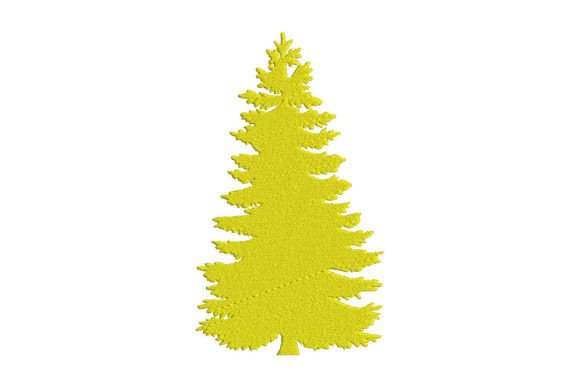
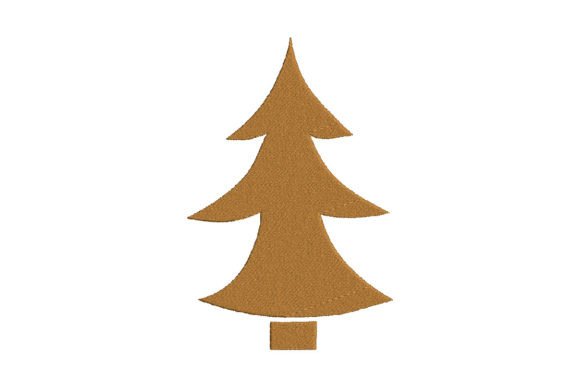
The first impression of this design is one of refined restraint. In a market saturated with overly complex, glitter-heavy holiday motifs, this piece stands out for its modern and subtle style. It feels professional yet approachable, striking a balance between rustic charm and contemporary elegance. For business owners who prefer understated holiday decor, this design offers a sophisticated alternative to traditional, busy Christmas imagery. It does not scream for attention; instead, it invites a closer look, which is exactly what you want for high-end branded merchandise.
Real-World Applications for Small Business Merch
When considering a digital embroidery file for your inventory, you must visualize its application across various products. The versatility of the Simple Pine Christmas Tree Embroidery makes it a strong candidate for diverse small business merch categories. Here is how I see it performing in real-world scenarios:
- Embroidered Patches: This design is ideal for iron-on or sew-on patches. Its clean lines ensure that the shape remains recognizable even when scaled down. A boutique could use these as limited-edition holiday gifts with purchase, adding perceived value to every transaction.
- Staff Uniforms and Aprons: For cafes, bakeries, or florists, staff apparel is a walking billboard. Placing this pine tree on the chest pocket of an apron or the sleeve of a work shirt creates a cohesive team look. It signals attention to detail without overwhelming the uniform’s primary function.
- Cap Embroidery: Front-panel cap embroidery requires designs that are not too wide or too detailed. The vertical orientation and simplified branches of this pine tree make it a perfect fit for beanies or structured caps, offering a stylish seasonal accent that customers will actually wear beyond December.
- Tote Bag Design: Canvas tote bags are staples for handmade brands. A single, well-placed pine tree near the bottom corner or centered on the front provides a minimalist aesthetic that appeals to eco-conscious shoppers. It transforms a basic utility item into a fashionable accessory.
- Product Packaging Accents: Imagine this design embroidered on a small fabric tag attached to your product packaging. It elevates the unboxing experience, reinforcing the handmade quality of your goods and creating a memorable touchpoint for the customer.
Navigating Technical Challenges in Production
While the aesthetic appeal is clear, any experienced embroiderer knows that beauty lies in the technical execution. There are specific areas where the Simple Pine Christmas Tree Embroidery requires careful handling to ensure a premium finished product.
First, consider stitch density. Because the style is described as simple and subtle, it likely relies on open spaces rather than dense satin fills. This is generally good for preventing puckering, but you must ensure the design has enough structural integrity. If you are stitching on textured fabric like terry cloth towels or thick wool coats, you may need to adjust the underlay stitches to ensure the design sits flat and does not get lost in the pile.
Second, pay attention to scale. When using this design for tiny lettering accompaniments or very small patch sizes, verify that the smallest branches do not become indistinct blobs of thread. Always run a test stitch-out on the actual fabric you intend to use. Dark uniforms can be tricky; if the thread colors do not have sufficient contrast against navy or black fabrics, the subtle details may vanish. I recommend testing with high-contrast thread colors first to map out the visibility of each element.
Furthermore, curved surfaces like cap fronts or rounded tote bag sides can distort designs if not hooped correctly. Use a sturdy stabilizer appropriate for your fabric weight. For stretchy materials like jersey tees, a cut-away stabilizer is non-negotiable to maintain the shape of the pine tree after washing. Always confirm the recommended hoop size before starting production to avoid unnecessary re-hooping or trimming issues.
Enhancing Brand Identity and Customer Trust
Why does the choice of embroidery design matter for your bottom line? It comes down to brand identity and customer trust. Consistent, high-quality visual assets signal professionalism. When a customer receives a tote bag or wears a cap with a crisp, well-executed Simple Pine Christmas Tree Embroidery, they associate that quality with your entire brand.
This design supports a narrative of thoughtful curation. It tells your customers that you value aesthetics and quality over cheap, mass-produced trends. For Etsy sellers and craft businesses, this distinction is crucial. It helps your products stand out in a crowded marketplace by offering a refined, artisanal look. The understated nature of the pine tree allows it to complement other design assets without clashing, ensuring visual consistency across your product line.
Moreover, seasonal designs drive engagement. By offering items featuring this embroidery, you create urgency and relevance. Customers are more likely to make impulse purchases when they feel a connection to the season. However, because the style is modern and subtle, these items have a longer shelf life than garish holiday gear. Customers may continue to wear or use them throughout the winter season, extending the visibility of your brand logo or name if paired with text.
Practical Designer Notes for Implementation
Before you commit to a large production run, follow these practical steps to ensure success with this embroidery file:
- Test in Black and White: Before selecting your festive thread colors, stitch the design out in black thread on white fabric. This reveals the true structure and spacing of the stitches without the distraction of color. If it looks good in monochrome, it will look great in color.
- Check Commercial Licensing: Never assume a file is free for commercial use. Confirm the license terms explicitly. Ensure you have the rights to use the design on items you sell, such as custom apparel or branded patches.
- Create a Printable Mockup: Use digital tools to place the design on photos of your actual products. Share these mockups with your team or focus group to gauge reaction before stitching a single thread. This saves time and material costs.
- Review Thread Color Contrast: Select thread colors that harmonize with your brand palette. Greens, golds, and creams work well, but consider unconventional choices like slate grey or navy for a modern twist that aligns with the "understated" description.
- Inspect Spacing and Jump Stitches: Open the file in your embroidery software to check for excessive jump stitches or potential thread breaks. Clean up the file if necessary to optimize machine performance and reduce production time.
In conclusion, the Simple Pine Christmas Tree Embroidery is a versatile and professional asset for small business owners. It bridges the gap between festive cheer and modern minimalism, making it suitable for a wide range of applications from apron embroidery to high-end gift tags. By paying attention to technical details like stabilizer choice and fabric texture, you can leverage this design to enhance your brand identity and deliver a superior customer experience. Remember to always verify the specific file format and hoop size requirements provided by the creator, as these details are critical for a smooth production process. With careful implementation, this design can become a staple in your seasonal collection, driving sales and strengthening your brand’s visual presence.