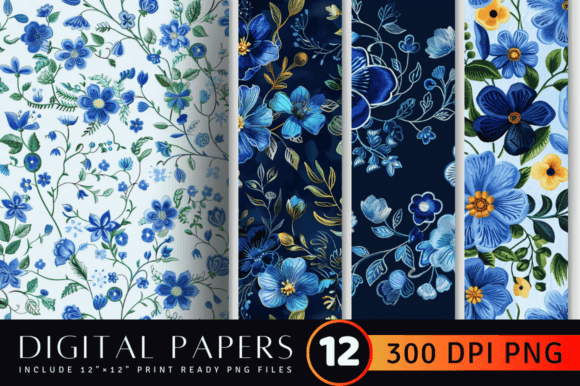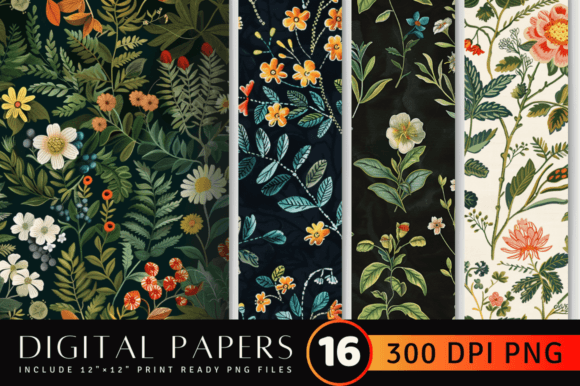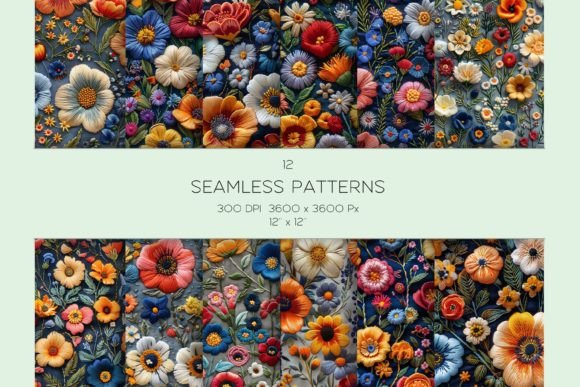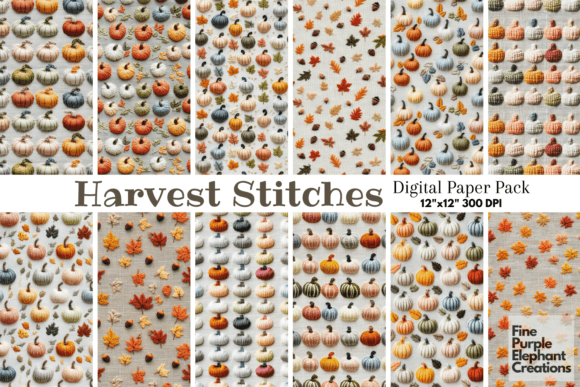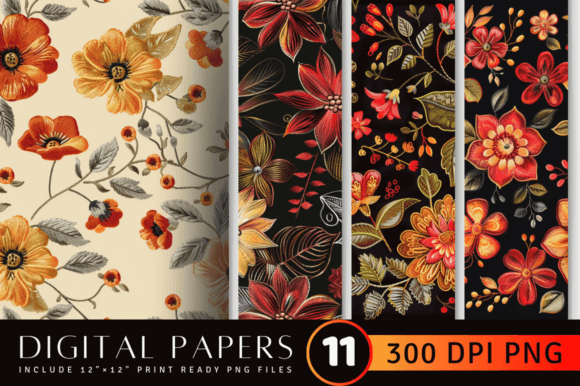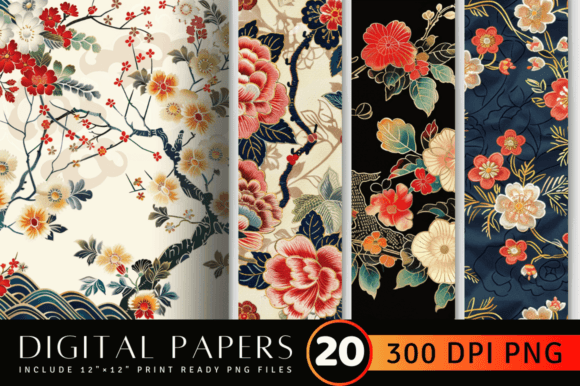
Reviewing Japanese Floral Embroidery Digital Pape
As an embroidery designer who has spent years digitizing files for boutique brands and local businesses, I approach every new asset with a critical eye. It is not just about whether a design looks pretty on a screen; it is about how it translates to thread, fabric, and ultimately, the brand identity of my clients. Recently, I evaluated Japanese Floral Embroidery Digital Pape, a resource categorized under Patterns and Graphics, to determine its viability for small business merchandise and branded patch use. The description highlights that this digital paper offers the tactile experience of traditional paper combined with the versatility of digital technology, which immediately sparked my interest in how these textures could influence stitch planning and visual depth.
First Impressions: Visual Personality and Brand Fit
The first thing I noticed when reviewing Japanese Floral Embroidery Digital Pape was its inherent elegance. The title suggests a fusion of organic botanical elements with a structured, perhaps textured, background reminiscent of high-quality washi or artisanal paper. For a small business owner, this aesthetic signals sophistication. It does not scream "cheap promotional item." Instead, it whispers "handmade quality" and "attention to detail."
This design feels both classic and modern. The floral motifs likely provide a soft, welcoming touch, while the digital paper aspect adds a layer of contemporary graphic design sensibility. For brands such as florists, bakeries, creative studios, or boutique retail shops, this visual personality aligns perfectly with a premium, artisanal brand identity. It is decorative enough to catch the eye but refined enough to maintain professionalism on staff uniforms or customer gifts.
Real-World Applications for Small Business Merch
When I consider where to apply Japanese Floral Embroidery Digital Pape, I look at the entire ecosystem of a small business. This is not just a logo; it is a versatile design asset that can elevate various touchpoints.
- Embroidered Patches: This is perhaps the strongest use case. A patch allows for higher stitch density and more intricate detail than direct-to-garment embroidery. Using this design on a woven or embroidered patch creates a tangible, collectible item that customers love.
- Apron Embroidery: For cafes and bakeries, staff aprons are walking billboards. Placing a simplified version of this floral pattern on the chest or pocket area adds a touch of warmth and hospitality.
- Tote Bag Design: Canvas tote bags are staples for eco-conscious brands. The textured look of the digital paper concept translates beautifully to canvas, giving the impression of a custom-printed or hand-stamped item, even when machine embroidered.
- Cap Embroidery: While caps have limited space, a small, isolated floral element from this collection could work as a subtle side accent or a minimalist front logo, provided the details are simplified.
For Etsy sellers and handmade product creators, integrating this machine embroidery design into product labels or packaging accents can significantly boost perceived value. It turns a simple transaction into a branded experience.
Technical Considerations and Production Challenges
While the aesthetic appeal is high, practical application requires careful planning. As a designer, I must warn against blindly loading this file into your machine without testing. The description mentions "tactile experience," which in embroidery terms often translates to complex fill patterns or varied stitch angles.
Stitch Density and Fabric Texture: If the digital paper effect relies on dense background fills, it may cause puckering on lightweight fabrics like silk or thin cotton. Always use a proper stabilizer—cut-away for stretchy fabrics and tear-away for stable wovens. Test the design on scrap fabric that matches your final product to ensure the thread colors pop against the material.
Size Constraints: Detailed outlines and small floral elements can get lost if the hoop size is too small or the design is scaled down excessively. For custom apparel like polo shirts, ensure the design is large enough to maintain clarity. On curved surfaces like cap fronts, avoid wide, flat backgrounds that might distort.
Color Contrast: Japanese floral themes often use subtle, muted palettes. On dark uniforms, you must adjust the thread colors to ensure visibility. A low-contrast design might look elegant in a mockup but disappear in real life. Create a printable mockup or stitch out a sample in black and white first to check for definition before committing to colorful threads.
Enhancing Brand Identity and Customer Trust
Consistency is key to building trust. When a customer sees the same high-quality embroidered patch on a tote bag, a staff member’s apron, and a product tag, it reinforces brand recognition. Japanese Floral Embroidery Digital Pape contributes to this by offering a cohesive visual language. It suggests that the business cares about aesthetics and quality, which translates to higher customer engagement and loyalty.
For commercial embroidery projects, using unique graphics like this sets a brand apart from competitors who rely on generic clipart. It signals that the business invests in custom, thoughtful digital embroidery file selections. This attention to detail enhances the perceived value of the finished product, allowing businesses to justify premium pricing.
Practical Designer Notes for Implementation
Before you purchase or produce, keep these actionable steps in mind:
- Check Licensing: Confirm commercial licensing terms. Ensure the file allows for unlimited production runs if you are creating merch for sale.
- Verify File Format: The description does not specify the exact file format (PES, DST, EXP, etc.). Check this before buying to ensure compatibility with your embroidery machine software.
- Test Stitch Count: High stitch counts increase production time and thread cost. Review the stitch count to ensure it fits your profit margins for small business merch.
- Simplify if Necessary: If the original design is too complex for small patches, consider working with a digitizer to simplify the lines while retaining the core floral essence.
- Mockup Approval: Always show a digital or physical proof to your client or team before full production. What looks good on screen may behave differently on textured fabric.
In conclusion, Japanese Floral Embroidery Digital Pape is a promising resource for brands seeking to blend traditional craftsmanship with modern design. By understanding its technical requirements and strategic placement, small business owners can leverage this embroidery file to create memorable, high-quality merchandise that truly reflects their brand’s soul. Whether used for a subtle apron accent or a bold statement patch, it offers the versatility needed in today’s competitive handmade market.