Review: Halloween Embroidery Bats Green Pattern
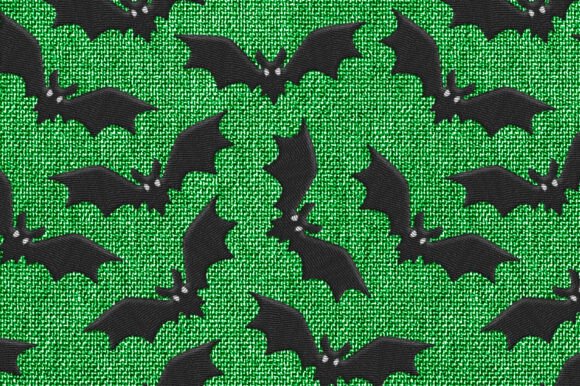
As a designer who has spent countless hours digitizing and stitching out seasonal motifs, I have developed a keen eye for what works in the hoop versus what merely looks good on a screen. When I first loaded the Halloween Embroidery Bats Green Pattern into my preview software, I was immediately struck by its textural depth. This is not your standard flat vector graphic; it is a seamless pattern that mimics the rough, organic feel of green burlap, overlaid with retro-style 3D black bats. For those of us in the craft business, finding design assets that bridge the gap between digital precision and handmade warmth is rare. This piece stands out because it offers a tactile illusion that translates surprisingly well into physical embroidery projects.
First Impressions and Visual Mood
The immediate mood this design creates is nostalgic yet slightly eerie, perfect for the modern farmhouse or rustic Halloween aesthetic that has dominated home decor trends in recent years. The green burlap texture background provides a muted, earthy canvas that allows the black bats to pop without the harsh contrast of pure white. The "3D" effect mentioned in the description is achieved through shading and layering in the graphics, which presents an interesting challenge and opportunity for the embroiderer. While we cannot literally stitch a 3D digital shadow, we can use thread choices and stitch types to emulate that depth. The retro style of the bats avoids the overly cute or the genuinely terrifying, landing in a sweet spot that appeals to a broad demographic, from young families to boutique hotel owners looking for seasonal accents.
Real-World Application: The Tote Bag Test
To truly evaluate a machine embroidery design, I mentally place it on a finished product. I imagined using this pattern for a custom embroidered tote bag, a staple item for any Etsy seller during the fall season. The seamless nature of the Halloween Embroidery Bats Green Pattern means it can be tiled or used as a border. For a tote, I would recommend using the bat elements as a focal point on the pocket or lower corner, rather than attempting to fill the entire bag with the burlap texture, which could become too dense and stiff.
When considering how customers might react, the textured background suggests durability and quality. A shopper picking up a sweatshirt or apron with this design perceives it as a premium handmade product rather than a mass-produced print. The visual weight of the black bats against the green gives the item a grounded, sophisticated look that elevates it above typical novelty holiday gear. This is crucial for small shop owners who need to justify higher price points through perceived value and craftsmanship.
Technical Considerations for Stitching
Translating a graphic that simulates burlap texture into thread requires careful planning. Since this is a Graphics file intended for use in embroidery, you must consider how the "texture" will be rendered. If you are digitizing this yourself from the provided image, you will likely rely heavily on fill stitches to create the woven look of the burlap. However, be wary of stitch density. A true burlap texture is open and airy; if you pack too many stitches into the background, you risk creating a hard, cardboard-like patch that will pucker on softer fabrics.
For the bats, a combination of satin stitch for the outlines and dense fill for the bodies will help maintain that 3D illusion. The contrast between the smooth satin edges of the bats and the textured fill of the background will enhance the visual appeal. Always test the design on scrap fabric first. I recommend trying it on a medium-weight cotton canvas to see how the green tones interact with the fabric’s natural hue. If the green in the design is too vibrant, it may clash with natural fibers; if it is too muted, it might disappear. Adjusting your thread colors to match the specific shade of green in the pattern is essential for maintaining the intended retro vibe.
Fabric and Hoop Constraints
Not every substrate is suitable for this type of detailed pattern. The Halloween Embroidery Bats Green Pattern performs best on stable, non-stretch fabrics. Think denim, canvas, twill, or heavy cotton blends. Using this on thin, stretchy jersey knits for baby clothes or t-shirts requires significant stabilization. Without a proper cut-away stabilizer, the weight of the textured background stitches could cause the fabric to distort or pucker, ruining the clean lines of the bats.
Curved surfaces like caps present another challenge. The seamless pattern aspect might be difficult to align correctly on a curved brim or front panel. In such cases, I advise isolating a single bat or a small cluster rather than attempting the full textured background. Additionally, check your hoop size. If you are working with a small 4x4 inch hoop, you may need to scale down the design significantly, which could result in loss of detail in the burlap texture. Always inspect small details at 100% zoom in your software before sending the file to the machine.
Commercial Viability and Brand Consistency
For commercial embroidery projects, consistency is key. This design fits seamlessly into a brand identity that values rustic charm and artisanal quality. It works exceptionally well for holiday gifts, such as personalized kitchen towels or pillow covers. The neutral green tone makes it versatile enough to pair with other autumn colors like orange, brown, or mustard yellow. For digital product sellers, this pattern can serve as a striking background for printable mockups, helping potential buyers visualize the final embroidered product.
However, before selling finished items or digital products derived from this design, you must confirm the licensing terms. Does the purchase of this digital embroidery file grant you commercial rights? Are there restrictions on the number of units you can produce? These are critical questions for any craft business owner. Never assume a license allows unlimited commercial use without reading the specific agreement provided by the creator.
Final Designer Notes
- Test on Scrap: Always stitch out a sample on the actual fabric you intend to use for the final product to check for puckering or thread breaks.
- Thread Contrast: Ensure your black thread has a slight sheen to differentiate it from the matte green background, enhancing the 3D effect.
- Stabilizer Choice: Use a medium-weight cut-away stabilizer for stretchy fabrics and tear-away for stable wovens to support the textured fill stitches.
- Mockup Verification: Create black and white mockups to ensure the design holds its shape and clarity even without color differentiation.
- Licensing Check: Verify if the design assets allow for commercial use in physical goods or digital resale before launching your product line.
In conclusion, the Halloween Embroidery Bats Green Pattern is a robust choice for designers looking to add a touch of rustic elegance to their holiday collection. It demands respect for technical details regarding stitch density and fabric stability, but when executed correctly, it results in a high-quality, visually engaging finished product that customers will appreciate. Whether you are creating a single personalized gift or stocking your Etsy shop with seasonal merchandise, this design offers the versatility and charm needed to stand out in a crowded market.