Reviewing the Flowers Embroidery Pattern for Real Projects
As a designer who has spent years translating digital concepts into tangible textiles, I approach every new machine embroidery design with a mix of curiosity and skepticism. We have all seen files that look stunning on a screen but turn into a tangled mess of thread breaks and puckering once they hit the fabric. Today, I am taking a close look at the Flowers Embroidery Pattern, evaluating it not just as a piece of digital art, but as a functional asset for real-world production.
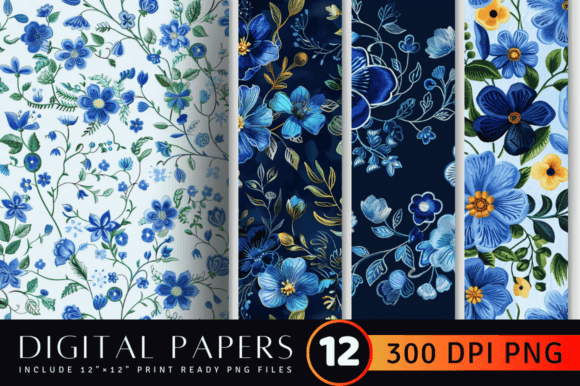
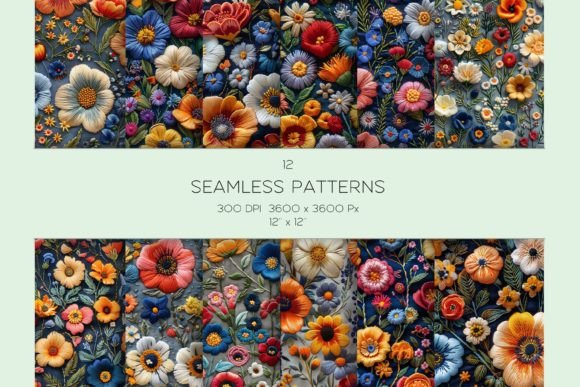
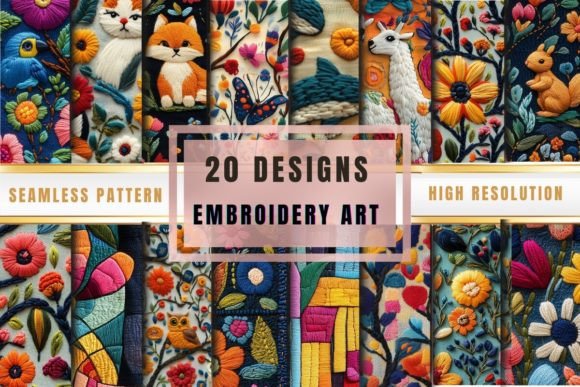
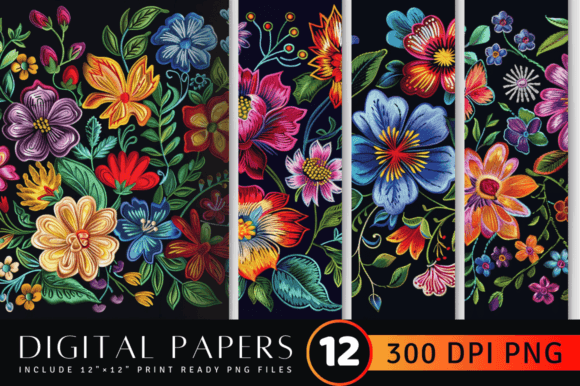
This design falls under the broader categories of Patterns and Graphics, but its true value lies in how it translates to physical media. When I first opened the file, my immediate impression was one of organic balance. The layout avoids the rigid symmetry that often plagues amateur designs, opting instead for a natural flow that mimics how vines and petals actually grow. This visual personality is crucial because it dictates where the design can live. It feels less like a stamped logo and more like an integrated part of the garment or item.
First Impressions and Visual Mood
The mood created by this embroidery file is soft yet resilient. It does not scream for attention with excessive density; rather, it invites the viewer to look closer. For an Etsy seller or a boutique owner, this subtlety is a major selling point. Customers are increasingly drawn to handmade products that feel curated and thoughtful rather than mass-produced. The detail level here strikes a smart balance. There is enough intricacy to showcase the skill involved in the stitching, but not so much that it becomes a nightmare to hoop or stabilize.
In terms of theme, this is versatile. It is not tied to a specific holiday or trend, which means it has longevity. Whether you are creating a spring collection or a year-round staple for your craft business, this design fits. The visual appeal hinges on the interplay between open space and filled areas. If you are using a satin stitch for the stems and a lighter fill stitch for the petals, the texture contrast will be significant. This is where the design shines: it leverages thread texture to create depth without relying solely on color gradients.
Real-World Application Scenarios
To truly test a design, I imagine it in specific use cases. Let’s consider a custom embroidered tote bag. Tote bags are often made from canvas or heavy cotton, which can be unforgiving if the stitch density is too high. The Flowers Embroidery Pattern appears to have a moderate density, making it a strong candidate for this application. It would sit nicely on the corner of a bag, adding a touch of elegance without weighing down the fabric or causing distortion.
Another ideal scenario is sweatshirt embroidery. Here, the looped texture of fleece or French terry requires a design that can bridge the gaps in the fabric weave. A design with too many tiny, isolated details might get lost or cause the fabric to bunch. This pattern’s connected elements suggest it would hold up well on thicker knits, provided you use the correct stabilizer. Imagine this on the chest of a neutral-toned hoodie; it transforms a basic garment into a personalized gift or a high-value small shop product.
For those interested in baby embroidery, caution is key. While the floral motif is sweet, you must ensure there are no long, loose running stitches that a child could catch on fingers. If the design relies heavily on satin columns, it should be safe, but always check the zoomed-in view for any stray threads or weak connections. Similarly, for an embroidered patch, this design could work beautifully if bordered correctly, creating a vintage-inspired badge that appeals to the current aesthetic trends in apparel.
Navigating Technical Challenges
No design is perfect for every surface. There are specific situations where you should use the Flowers Embroidery Pattern carefully. First, consider curved surfaces like caps. Caps have a tight, curved hoop area. If this design is wide, it may distort when stitched on the front panel of a baseball cap. Always check the dimensions against your standard hoop size before committing to a client order.
Textured fabrics present another challenge. If you are stitching on a rough linen or a highly textured wool, fine details can disappear. In these cases, you might need to adjust your thread colors to ensure high contrast. A dark thread on a dark, textured fabric will render the design invisible. Conversely, on thin or stretchy fabric, such as jersey knit for t-shirts, the pull of the stitches can cause puckering. This is where your choice of stabilizer becomes critical. A cut-away stabilizer is often necessary for stretchy materials to maintain the integrity of the finished product.
Also, be mindful of dense stitch areas. If the center of the flowers is heavily filled, it can create a stiff spot on the fabric. For items like pillow covers or tea towels that need to remain soft and pliable, you might want to test a version with reduced density or switch to an applique design technique where fabric pieces fill the shapes instead of thread. This reduces bulk and adds a different tactile dimension to the project.
Designer Notes for Best Results
Before you load this into your machine for a commercial run, follow these practical steps. First, always test the design on scrap fabric that matches your final material. This allows you to check for thread breaks and tension issues without risking expensive inventory. Second, review the design in black and white on your computer screen. This removes the distraction of color and lets you see the structural integrity of the stitching paths. If the design looks muddy in grayscale, it may lack definition in real life.
Check the license terms explicitly. Just because a file is labeled as a digital embroidery file does not automatically grant you rights for unlimited commercial sales. Some creators allow finished goods but restrict the resale of the digital asset itself. Confirm this before listing items on your online store. Additionally, if you are creating printable mockups for your website, ensure the resolution of your preview images matches the quality of the actual stitch-out. Misleading visuals can erode customer trust.
Finally, consider the end user. Are they buying this as a personalized gift? If so, the durability of the wash is paramount. Ensure your thread quality is high and that you trim all jump stitches cleanly. A professional finish speaks volumes about your brand consistency. Whether you are an experienced apparel decorator or a hobbyist starting a side hustle, the Flowers Embroidery Pattern offers a solid foundation for creating beautiful, marketable items. It is a tool that, when used with knowledge and care, can elevate your portfolio and delight your customers.