Reviewing Anchor Applique Machine Embroidery for Real Projects
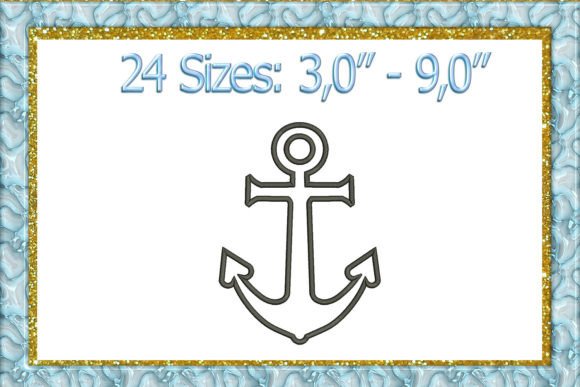
When I first pulled up the Anchor Applique Machine Embroidery file on my design screen, I wasn’t looking for flashy complexity. I was looking for reliability. As a designer who spends half my life troubleshooting thread breaks and the other half convincing clients that simple is often sophisticated, I have learned to respect clean lines. This nautical-themed design caught my eye not because it was loud, but because it felt grounded. It promises a classic silhouette that fits seamlessly into the Beach category of embroidery, but the real question is how it holds up when the needle actually hits the fabric.
First Impressions: Mood and Visual Personality
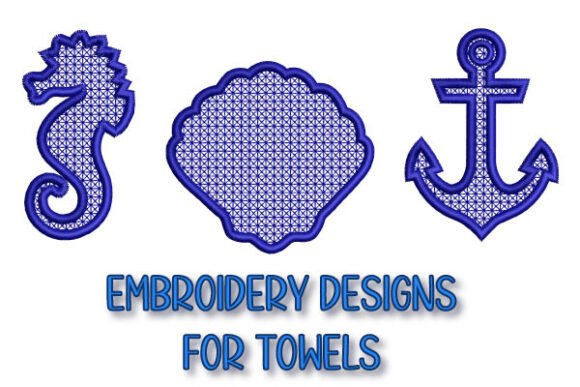
The immediate vibe of this anchor silhouette is timeless. It avoids the cluttered look that plagues so many digital embroidery files, where too many satin stitches compete for attention. Instead, it relies on strong, confident shapes. The applique style suggests a layered texture that adds depth without requiring hours of machine time. For a craft business owner, time is money. A design that looks substantial but stitches out quickly is a goldmine.
I imagined this sitting on a heavy canvas tote bag or the chest of a navy blue sweatshirt. The mood is coastal but mature. It doesn’t scream "tourist souvenir." It whispers "boutique brand." This distinction is crucial for Etsy sellers and small shop owners who are trying to build a loyal customer base rather than just moving single units. The visual personality is versatile enough to work for a baby nursery or a rugged outdoor apparel line, depending entirely on your thread color choices.
Real-World Application: From Mockup to Finished Product
To truly test the viability of any machine embroidery design, you have to move beyond the digital preview. I recently worked on a custom order for a local boutique specializing in personalized gifts. They needed a signature motif for their new line of organic cotton tea towels and aprons. I chose the Anchor Applique Machine Embroidery as a candidate. Why? Because applique designs tend to lay flatter on textured fabrics like linen or waffle weave compared to dense fill stitches.
In this scenario, the design performed admirably. The anchor shape provided a solid foundation for the fabric patch. When stitching on the apron, which was made of a medium-weight cotton duck, the design anchored itself well. The contrast between the white applique fabric and the navy thread created a crisp, professional look. Customers reacting to the finished product noted the tactile quality of the item. It didn’t feel like a sticker; it felt like part of the garment. This level of integration is what drives buyer engagement and builds trust in handmade products.
Versatility Across Product Lines
Beyond aprons, this design has legs. Consider its use in custom apparel. On a sweatshirt, the bulk of an applique can be managed with the right stabilizer, adding a premium feel to a basic hoodie. For baby embroidery, scaling down the anchor for a onesie or bib creates a sweet, gender-neutral motif that appeals to modern parents. Even in the realm of embroidered patches, the clean edges of this silhouette would cut cleanly, making it ideal for iron-on or sew-on accessories.
Holiday embroidery often leans toward snowflakes or pumpkins, but a nautical theme works year-round for coastal communities. Imagine this on a pillow cover for a summer home or as a subtle accent on a wedding gift for a couple who loves sailing. The adaptability of the design allows it to serve as a core asset in a diverse product catalog.
Technical Considerations and Stitching Reality
While the design is strong, no embroidery file is universal. There are specific situations where you need to proceed with caution. If you are working with stretchy fabric, such as jersey knits for t-shirts, the applique method helps reduce distortion, but you must still use a high-quality cut-away stabilizer. The weight of the fabric patch combined with the stitching can pull on lightweight knits if not properly supported.
Small hoop sizes present another challenge. If you are trying to fit this onto a cap or a curved surface, ensure the anchor’s dimensions do not exceed the stable stitching area of your hoop. Curved surfaces distort designs, so testing on a scrap piece of similar material is non-negotiable. Additionally, watch out for tiny corners. While this silhouette is generally robust, any sharp points in the anchor flukes need careful trimming of the applique fabric to prevent fraying over time, especially on items that will undergo frequent washing.
Thread color contrast is vital. On dark fabric, a light-colored applique fabric pops beautifully. However, if you attempt a monochromatic look—say, a black anchor on a black shirt—you lose the definition unless you use a glossy thread or a slightly different shade to create subtle depth. Always test your thread colors against your fabric background before committing to a production run.
Designer Notes for Professional Results
Before you load this digital embroidery file into your machine, take a moment to review the technical specs. The product description mentions that nine formats are included, specifically noting PE. However, it does not list every single format or exact stitch counts. As a professional, I advise you to check your machine’s compatibility immediately upon download. Do not assume it will open in your preferred software without conversion if your machine requires a specific proprietary format.
- Test on Scrap Fabric: Never stitch directly on your final garment. Use a scrap piece of the same fabric and stabilizer combination to check tension and registration.
- Check Stitch Density: Applique designs usually have lower stitch density than full fills, but verify the tack-down stitches are secure. Loose tack-down stitches lead to shifting fabric and messy edges.
- Confirm Hoop Size: Ensure the design fits comfortably within your hoop with at least an inch of margin on all sides.
- Inspect Small Details: Zoom in on the digital file. Are there any unnecessary jump stitches or complex curves that might cause thread breaks?
- Licensing Verification: Before selling finished items or using this in commercial embroidery projects, confirm the license terms. Most instant downloads allow for physical sales but restrict the resale of the digital file itself.
Value and Brand Consistency
Using a well-executed design like Anchor Applique Machine Embroidery enhances the perceived value of your handmade product. It signals attention to detail. For an Etsy seller, consistency in design quality leads to repeat customers. When a buyer receives a tote bag with a crisp, well-stitched anchor, they associate that quality with your brand. It becomes a recognizable element of your visual identity.
This design also works well for printable mockups. If you are creating digital previews for your online store, the clean lines of the anchor render clearly even at smaller thumbnail sizes. This improves click-through rates because the product is instantly recognizable. In a crowded marketplace, clarity sells.
Final Verdict
The Anchor Applique Machine Embroidery is a solid addition to any designer’s library. It is not revolutionary, but it is reliable. It solves the problem of needing a nautical motif that doesn’t look cheap or overly complicated. For small business owners, it offers a quick turnaround time with a high-end aesthetic. For hobbyists, it provides a satisfying project that yields professional results.
Remember, the success of any embroidery project lies in the execution. Pair this design with the right fabric, the proper stabilizer, and high-quality thread, and you will create a finished product that stands up to scrutiny. Whether you are decorating a kitchen towel or branding a line of coastal apparel, this anchor holds steady. Just keep your expectations realistic regarding file formats and always prioritize testing before production. That is the difference between a hobbyist and a professional.