Seashell, Seahorse Anchor Embroidery Review
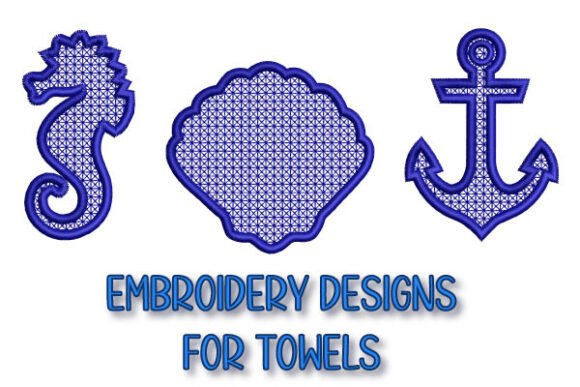
As an embroidery designer who has spent countless weekends standing behind booths at local craft fairs and farmers markets, I have learned that the difference between a browser and a buyer often comes down to visual impact and perceived quality. When I first loaded the Seashell, Seahorse Anchor Embroidery file into my digitizing software, my immediate impression was one of cohesive charm. This is not just a random collection of nautical icons; it is a curated set that speaks directly to the coastal aesthetic that dominates summer sales. For those of us running small shop products or Etsy stores, finding a design that balances whimsy with elegance is rare. This set feels soft yet decorative, making it a strong contender for high-turnover handmade products.
First Impressions and Visual Appeal
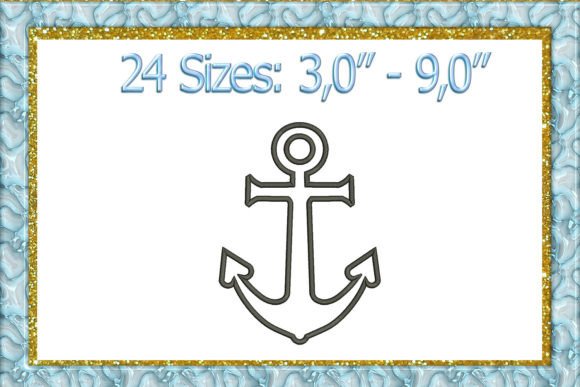
The moment you hoop up this design, you notice the balance. The seashell offers organic curves, the seahorse provides intricate detail, and the anchor grounds the composition with structure. For a craft fair product, clarity is king. Customers walking past your table have seconds to decide if they will stop. The Seashell, Seahorse Anchor Embroidery works because it is instantly recognizable. It does not require explanation. Whether you are aiming for a modern minimalist look or a more traditional beach vibe, these motifs adapt well. The design avoids being overly cartoonish, which allows it to appeal to a broader demographic, from young parents looking for nursery decor to adults seeking sophisticated home accents.
Product Versatility for the Craft Fair Booth
When preparing my display for a weekend market, I always ask: where does this design shine? I tested this machine embroidery design on several substrates, and the results were telling. On white linen tea towels, the design popped beautifully, offering that classic, crisp look that sells quickly in the summer months. Tea towel embroidery is a staple for many embroidery business owners because it is low-cost to produce and high-margin. However, do not limit yourself to linens.
I found that this set excels as a tote bag design. Placed centrally on a canvas tote, the anchor motif serves as a bold focal point, while the seashell and seahorse can be used as smaller accent placements on the corners or handles. This versatility allows you to create a coordinated product line. Imagine a set featuring an apron embroidery with the anchor on the bib and shells along the pocket trim. These small details signal to the buyer that this is a premium finished product, not a mass-produced item from a big box store.
For those selling digital embroidery files, this set is equally valuable. It provides ample opportunity for creating printable mockups that look professional and inviting. Digital sellers can showcase how these assets look on various fabric textures, helping customers visualize the end result before purchasing the digital embroidery file.
Production Practicalities and Stabilizer Choices
Let us talk about the technical side, because a pretty design means nothing if it puckers or distorts. The product description explicitly states: Please use Avalon or another water-soluble stabilizer on top. Please use a water-soluble stabilizer underneath. This instruction is critical. Water-soluble stabilizers are essential for maintaining stitch integrity on textured fabrics like terry cloth towels or loose-weave linens. Without the top stabilizer, your stitches may sink into the pile, losing definition. Without the bottom stabilizer, you risk puckering that ruins the drape of the fabric.
When working with this design, pay close attention to stitch density. Nautical themes often involve solid fills for the anchor and satin stitches for the seahorse tails. If you are embroidering on thick fabric, ensure your needle is sharp enough to penetrate without causing holes. For curved surfaces like caps, test the design on a scrap piece first. The curvature can distort the image, so you may need to adjust the pull compensation or choose a simpler variant from the set for headwear.
Another consideration is thread colors. While blues and sands are obvious choices, do not be afraid to experiment. A coral thread for the seashell against a navy background creates a striking contrast that draws the eye. Always check thread contrast against your fabric texture before committing to a full batch production run.
Selling Strategy and Customer Engagement
For Etsy sellers and boutique makers, presentation is everything. The Seashell, Seahorse Anchor Embroidery photographs exceptionally well. The clean lines and distinct shapes translate nicely to online listings. When creating your product photos, use natural light to highlight the sheen of the thread. Show the design in context: a folded towel on a wooden shelf, a tote bag hanging on a hook, or a pillow cover on a patio chair. These lifestyle images help buyers imagine the product in their own homes.
From a commercial embroidery standpoint, this design is repeatable. You can hoop multiple items quickly if you have a multi-needle machine, or batch your single-needle work by cutting all your stabilizers and fabrics at once. Efficiency drives profit in small business. Because the design is part of a set, you can offer bundles. Sell a "Beach Day Kit" including a towel, a tote, and a patch. Bundling increases the average order value and moves inventory faster.
Designer Notes for Quality Control
Before you list this as a handmade product, take these practical steps. First, confirm the hoop size required for the largest element in the set. Ensure your machine can accommodate it without re-hooping, which can lead to misalignment. Second, inspect the stitch count if provided in the file details. High stitch counts on small items like embroidered patches can make the item stiff and uncomfortable. If the design is dense, consider resizing it slightly larger or using a lighter weight thread.
Also, verify the licensing terms. Most digital embroidery files come with restrictions on commercial use. Ensure you have the right to sell finished products made with this design. If you are a digital seller, clarify what rights you are transferring to your customers. Transparency builds trust and protects your brand consistency.
Finally, create at least one real mockup. Do not rely solely on digital previews. Stitch out the design on the exact fabric you intend to sell. Check for thread breaks, tension issues, and color bleeding after washing. A water-soluble stabilizer must dissolve completely; any residue can feel sticky and detract from the handmade quality. Rinse your samples thoroughly and let them dry flat to assess the final look.
Conclusion
The Seashell, Seahorse Anchor Embroidery is more than just a cute graphic; it is a versatile tool for any embroidery business owner looking to capture the summer market. It performs well on a variety of textiles, from sturdy canvas to delicate linen, provided you follow the stabilizer guidelines. Its visual appeal is immediate, making it a strong addition to any craft fair booth or online store. By focusing on quality production, thoughtful product pairing, and clear presentation, you can turn this digital asset into a best-selling handmade product. Remember, the goal is not just to sell an item, but to sell a feeling of coastal relaxation and artisanal care. This design helps you achieve exactly that.